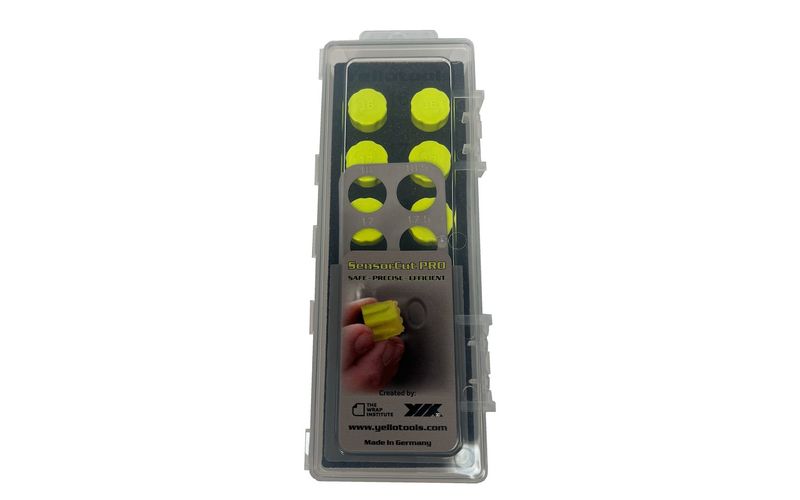
SensorCut Pro - for parking sensors



Hos VN Vinyls har vi
- Stort lager
- Snabba leveranser
- Trygga betalsätt
- 35 000+ nöjda kunder
Cut out parking sensors without leaving scratches
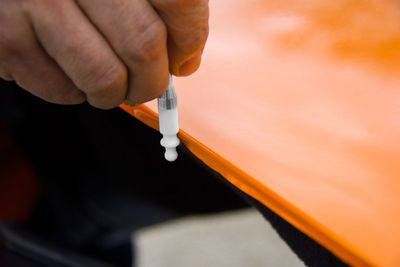
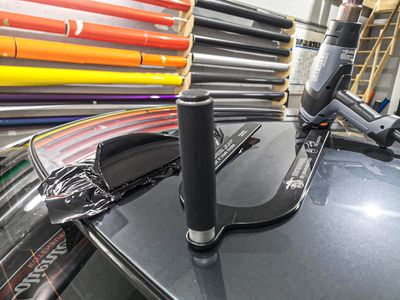
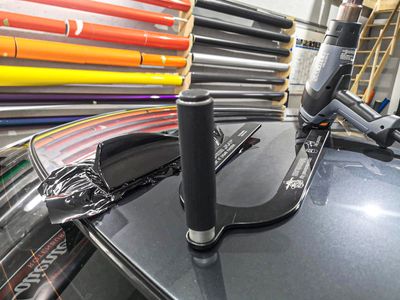
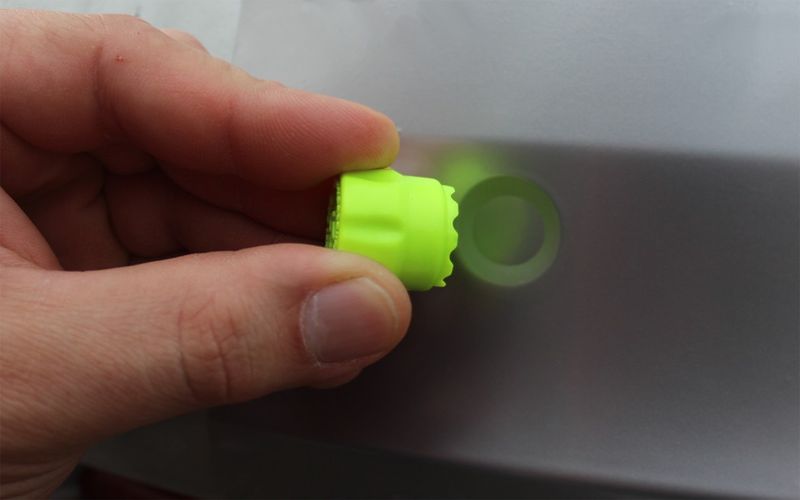
SensorCut Pro allows installers to cut out vinyl for parking sensors on vehicles without having to use a knife on the vehicle’s body.
This two-piece set can help reduce sensor installation times by up to 90% and minimize the risk of damage.
This tool was designed by The Wrap Institute and XIX3D.
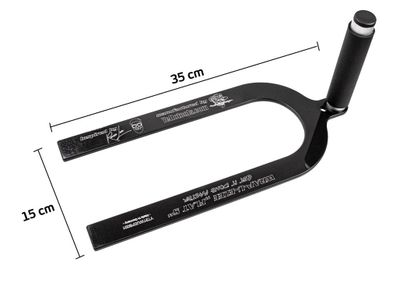
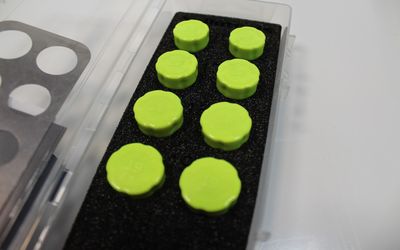
SensorCut: SensorCut is intended for cutting the outer layer of vinyl surrounding the sensor. It is made from special plastic by Golia, so it is sharp and durable.
Its shape, inspired by Japanese kitchen knives, cuts evenly and smoothly. Additionally, since it is made of plastic, there is no risk of damaging the paint or rubber around the sensor.
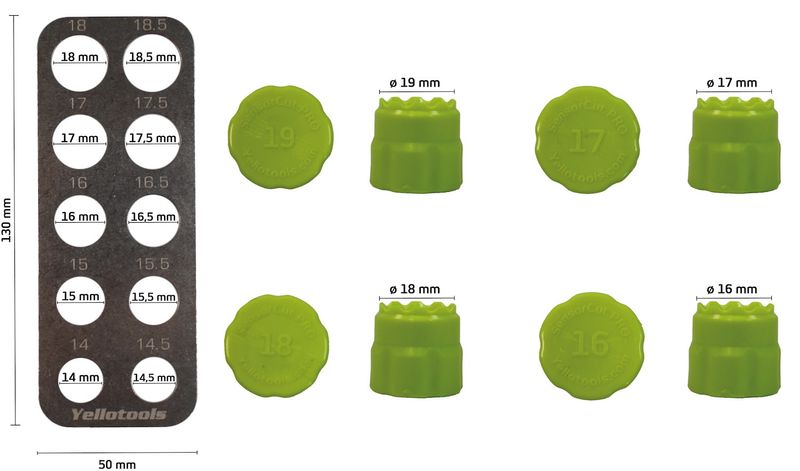
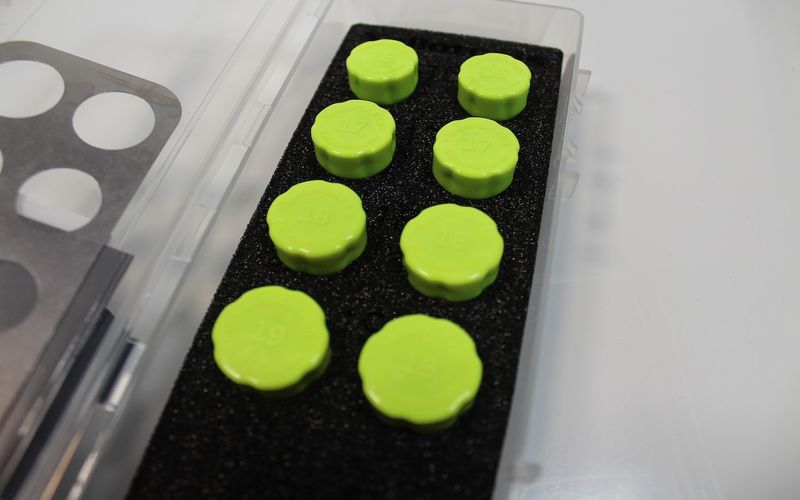
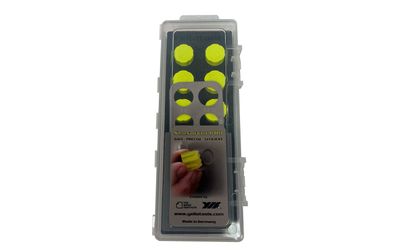
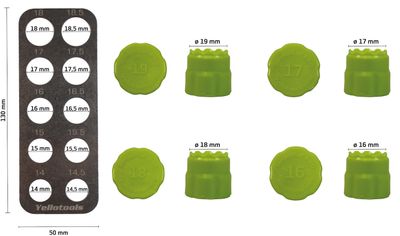
SensorCut is available in 4 sizes: 16 mm, 17 mm, 18 mm, 19 mm
Each size comes in a pair, ensuring that there’s always a sharp SensorCut ready to use.
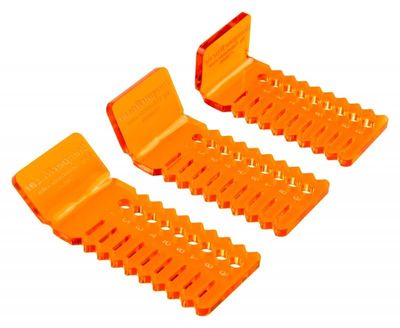
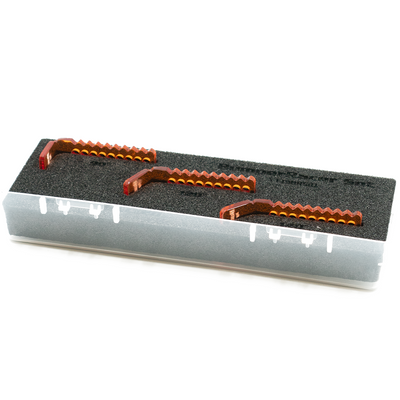
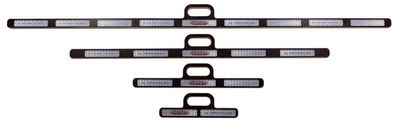
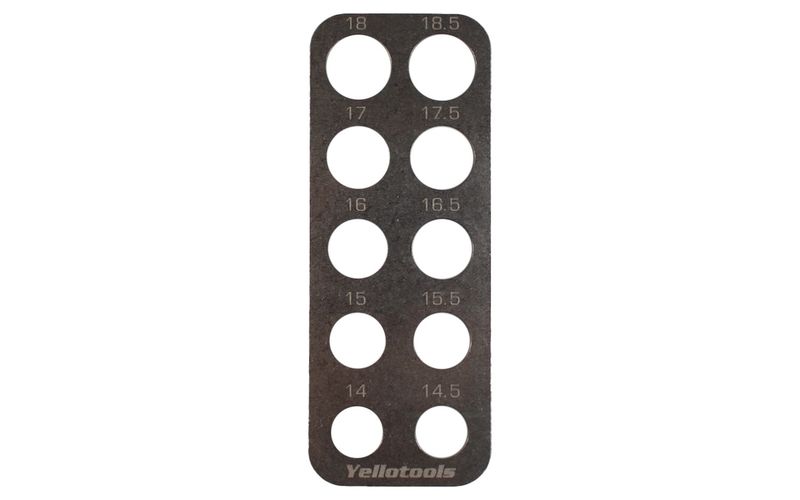
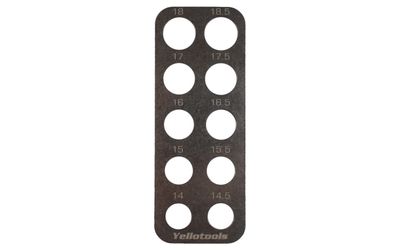
SensorCut Templates are available in 10 sizes: 14.0 mm, 14.5 mm, 15.0 mm, 15.5 mm, 16.0 mm, 16.5 mm, 17.0 mm, 17.5 mm, 18.0 mm, 18.5 mm
Outer:
Before applying the film, take a few seconds to find the right size for the outer cutout. Wrap the film around the bumper and shape it around the outer part of each sensor using the corner of a rubber scraper.
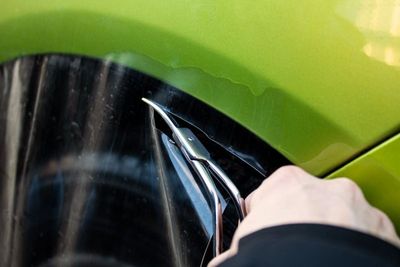
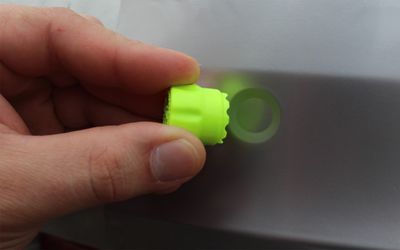
Take the SensorCut and place it evenly around the sensor. Gently press it against the sensor and twist it left and right once or twice.
Use tweezers to grip one edge of the cut-out section and gently lift it away from the bumper.
Use a rubber scraper or indentation tool to secure the film to the base or behind the gasket
Inner:
Place the SensorCut template on the sensor to determine the correct size.
Place the SensorCut template flat on a cutting mat, take a piece of the cover film, and place it over the cutout.
Use a sharp knife to make a 360-degree cut along the edge of the template.
Place the cut-out piece on an embossing tool or hold it with tweezers to avoid contaminating the adhesive.
Place it evenly on the inner part of the sensor.
Apply heat to soften the film first, then seal it to the edge or behind the gasket.